
Technical guides
No hay artículos en las categorías seleccionadas.
Rupture disc models: descriptive datasheets

Disco de ruptura TANKSERT: sello para venteos de carrotanques y contenedores
En resumen: El TANKSERT es un disco de ruptura compuesto que se inserta en los conjuntos de venteo d...
Discos de Ruptura transporte de líquidos seguridad en transporte tanques móviles vagones cisterna camiones cisterna contenedores intermodales logística industrial
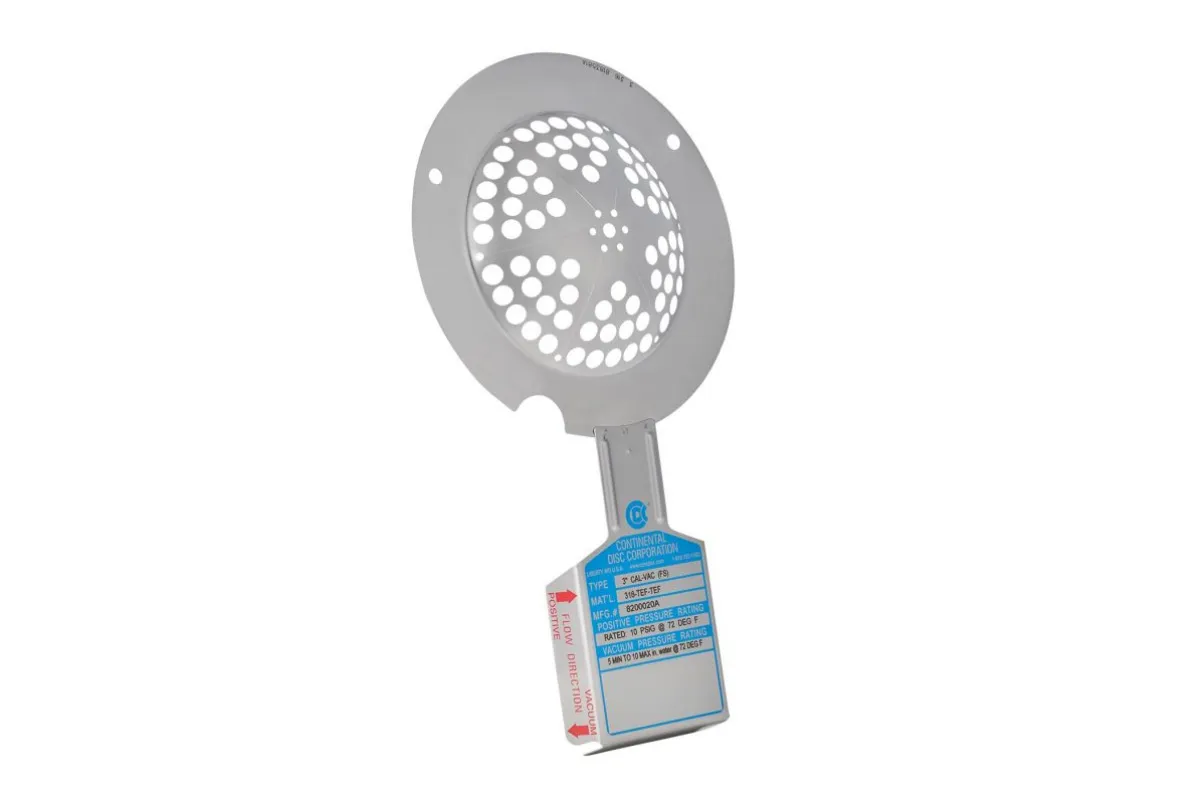
Disco de ruptura CAL-VAC®: alivio bidireccional de vacío y presión
En resumen: el CAL-VAC® es un disco de ruptura bidireccional de doble acción: en un solo punto ...
Discos de Ruptura seguridad de procesos sobrepresión industria farmacéutica CIP/SIP doble acción equipos sanitarios cumplimiento FDA industria alimentaria
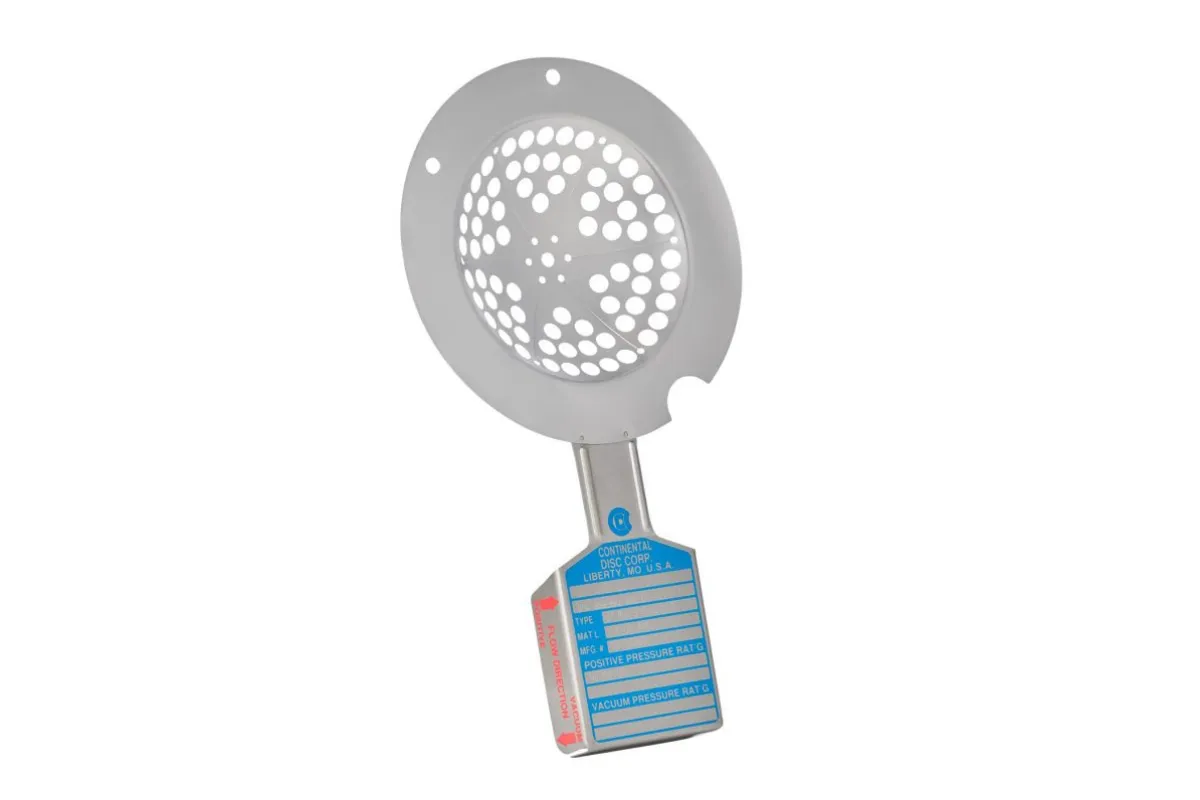
Disco de ruptura POS-A-SET®: doble acción para sobrepresión y vacío
En resumen: El POS-A-SET® es un disco de ruptura de doble acción: en un mismo punto de instalac...
Discos de Ruptura seguridad de procesos industria farmacéutica CIP/SIP doble acción equipos sanitarios cumplimiento FDA sobrepresión y vacío industria de alimentos
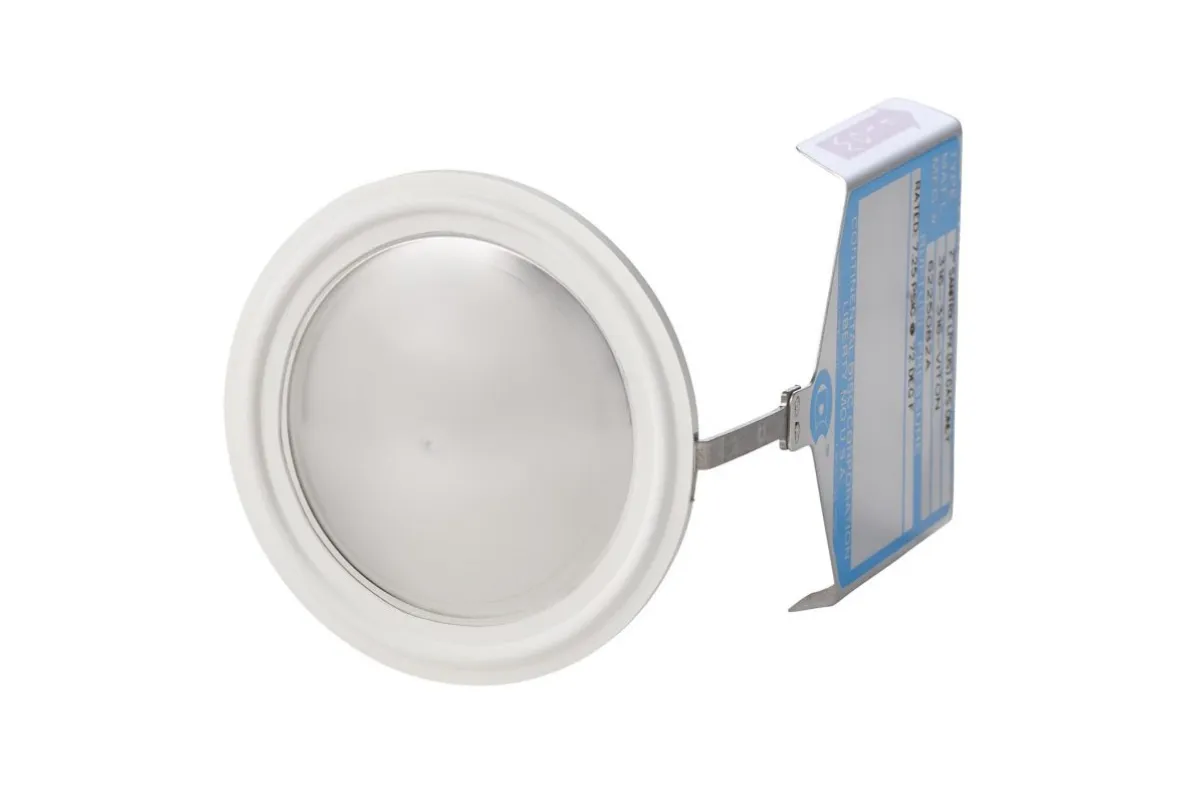
Disco de ruptura SANITRX LP™: sanitario de acción inversa y baja presión
En resumen: El SANITRX LP™ es un disco de ruptura sanitario de acción inversa para baja presi...
seguridad de procesos baja presión industria farmacéutica CIP/SIP discos de ruptura sanitarios bioprocesos 316L compliance ASME BPE

Disco de ruptura LD: compuesto con sello de fluoropolímero o metálico
En resumen: El LD es un disco de ruptura compuesto formado por una cúpula metálica ranurada y un s...
Discos de Ruptura seguridad de procesos válvulas de alivio industria química control de emisiones sobrepresión industrial fluoropolímero
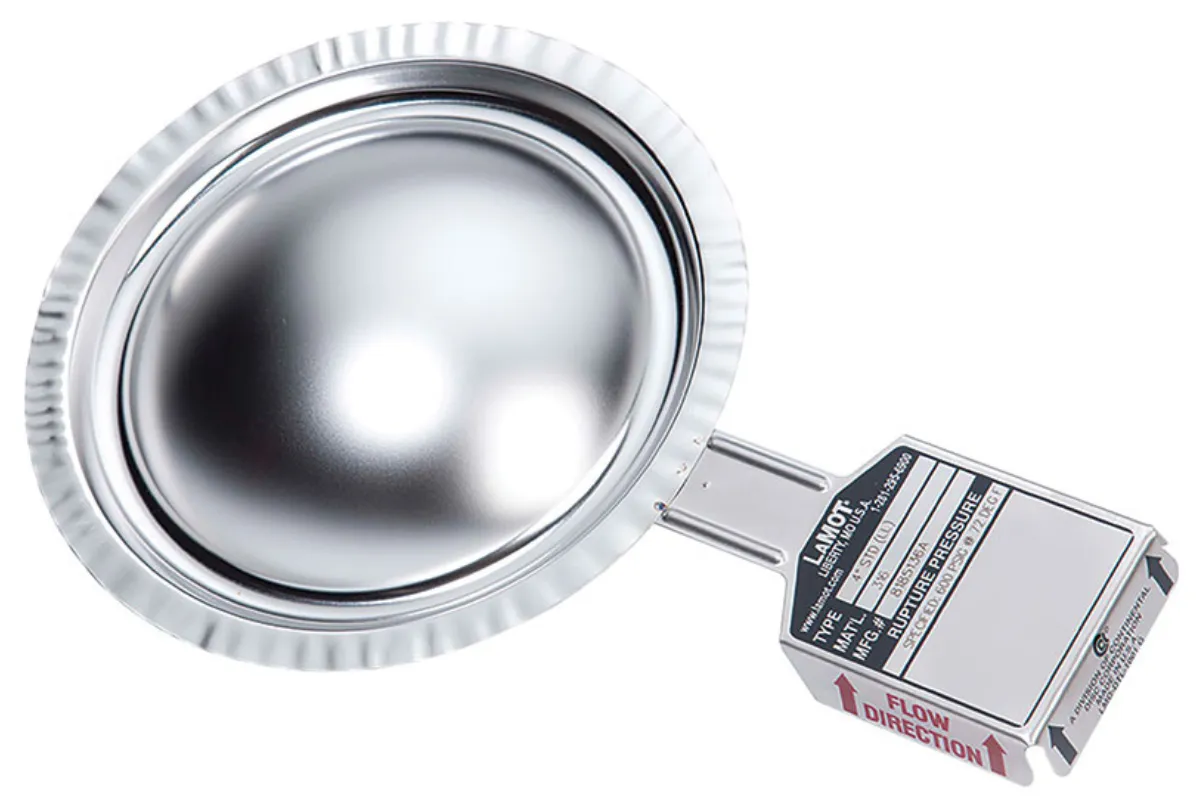
Disco de ruptura LDV: compuesto LD con soporte de vacío
En resumen: El LDV es el disco compuesto LD con un soporte de vacío incorporado en el lado del proc...
Discos de Ruptura válvulas de alivio sobrepresión seguridad industrial vacío completo control de emisiones fluoropolímero

Disco de ruptura LPL: compuesto con fluoropolímero para servicio corrosivo
En resumen: El LPL es un disco de ruptura compuesto: una cúpula metálica que define la presión de...

Disco de ruptura LPLV: compuesto con soporte para vacío completo
En resumen: El LPLV es la variante del disco compuesto LPL preparada para soportar vacío completo. ...
Disco de Ruptura seguridad de procesos industria química sobrepresión control de emisiones fluoropolímero vacío industrial sistemas de alivio

Disco de ruptura con sello de aislamiento (IS): plano para baja presión
En resumen: El disco IS es un disco plano que se monta directamente entre bridas ASME clase 150 y tr...
Discos de Ruptura aislamiento industrial seguridad de procesos control de presión válvulas de alivio equipos de protección industria química procesos críticos
Follow us
FacebookContact us
Legal
Privacy NoticeContact
P&V Control Devices S. de R.L. de C.V.República de El Salvador 114-2, Col. Centro, Cuauhtémoc, 06000 Mexico City, CDMX, Mexico
Tel. +52 55 2458 7374
WhatsApp +52 55 4094 9834
administracion@pvcontrol.com.mx
Monday to Friday, 9:00 a.m. to 6:00 p.m.